Southeast Asian Geopolitics
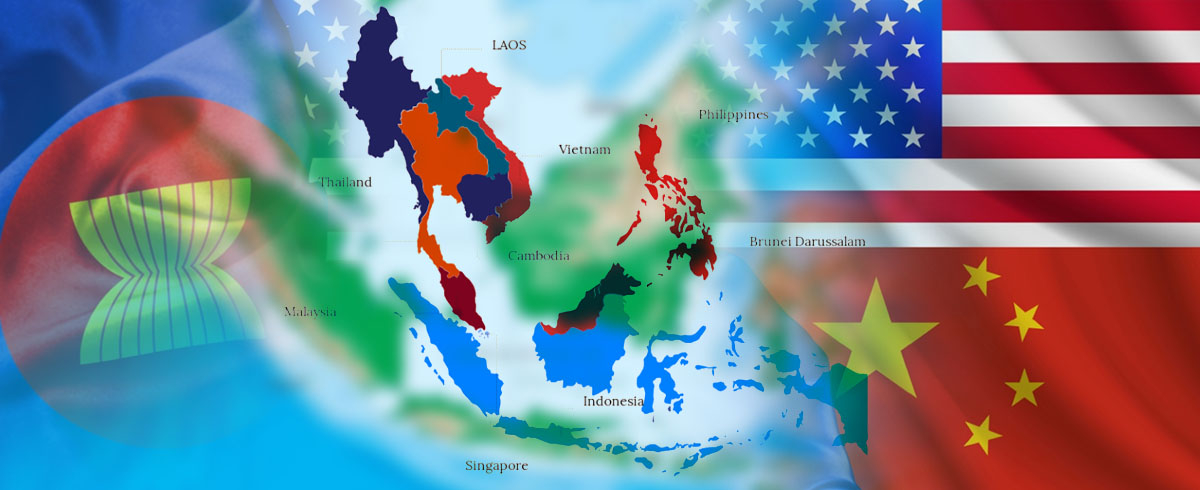
In an era of profound reshaping of the global power structure, Southeast Asia is at a historic crossroads. It is not only the hinterland of traditional "Asia-Pacific" economic cooperation but also the core arena of the emerging "Indo-Pacific" security strategy. This research direction aims to penetrate the surface, providing you with a dynamic, multi-dimensional analytical framework to precisely assess the geopolitical, security, economic, and technological postures of global and regional great powers (especially the US and China) in Southeast Asia. We do not just monitor events; we deeply deconstruct the strategic intentions behind them, the reactions of local elites, and how these games translate into tangible business risks and strategic opportunities.
- Assessing how ASEAN, as a whole and as individual member states, maintains its "centrality" and executes diversified hedging strategies while caught between great powers.
- Analyzing how the comprehensive US-China rivalry in technology, military, and economic domains spills over into Southeast Asia, creating a "choose-sides" pressure test for ASEAN nations.
- Evaluating the evolution of emerging "Indo-Pacific" security alliances (like AUKUS, Quad) and their reshaping effects and challenges to Southeast Asia's traditional security architecture.
- Dynamically monitoring key "flashpoints" such as the South China Sea and the Taiwan Strait, and conducting scenario planning on their chain-reaction impacts on regional shipping, investment, and political stability.
- Deeply deconstructing the geopolitical logic behind different economic frameworks like RCEP, CPTPP, and IPEF, and their impact on the integration and fragmentation of regional supply chains.
- Analyzing the strategic postures of "middle powers" such as Japan, India, the EU, and Australia in Southeast Asia, and the diversified geopolitical options they provide to the region.